
Clinical Simulation
Optimizing Clinical Workflows Through Simulation
In clinical practice, smooth teamwork and clear communication are key to delivering safe, high-quality patient care. Whether in the ER, on the ward, or in high-stakes surgical scenarios – coordinated processes make all the difference.
Simulation training provides a way to practice these workflows in realistic conditions and prepare teams for complex clinical situations. With SIMStation’s AV systems, training sessions, recordings, and structured debriefings can be seamlessly integrated into clinical environments.
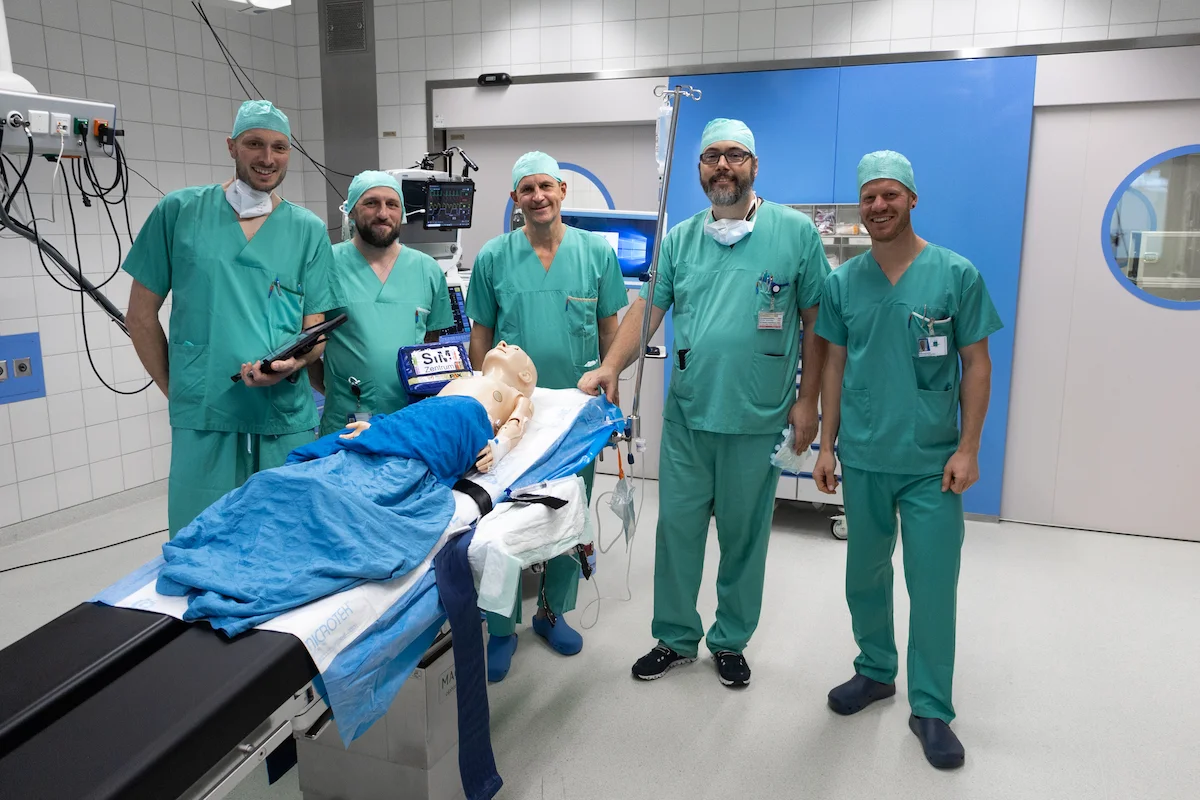
Improved Team Coordination
Simulation enables interdisciplinary teams to train communication, roles, and workflows under realistic clinical conditions—strengthening collaboration when it matters most.
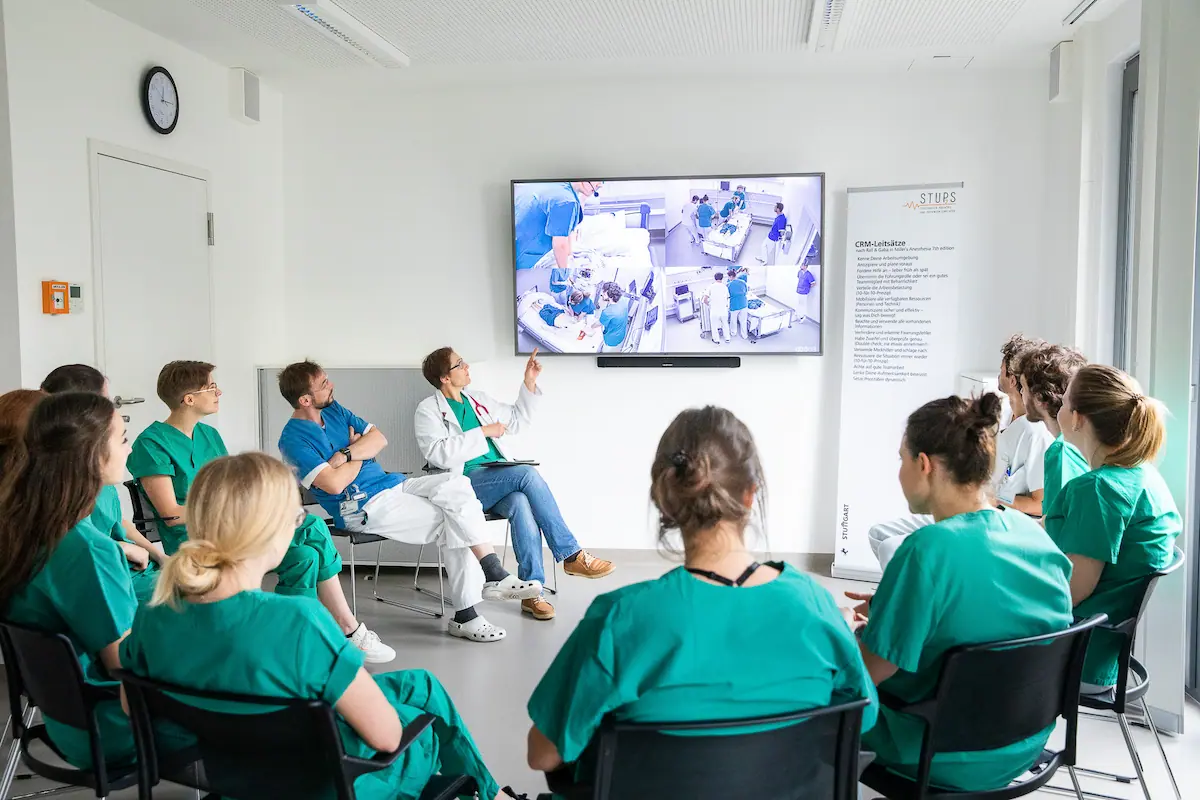
Realistic In-Situ Training
The portable, high-end SIMStation systems adapt seamlessly to your existing infrastructure – ensuring full audiovisual coverage, live control, and structured debriefing without disrupting clinical operations.
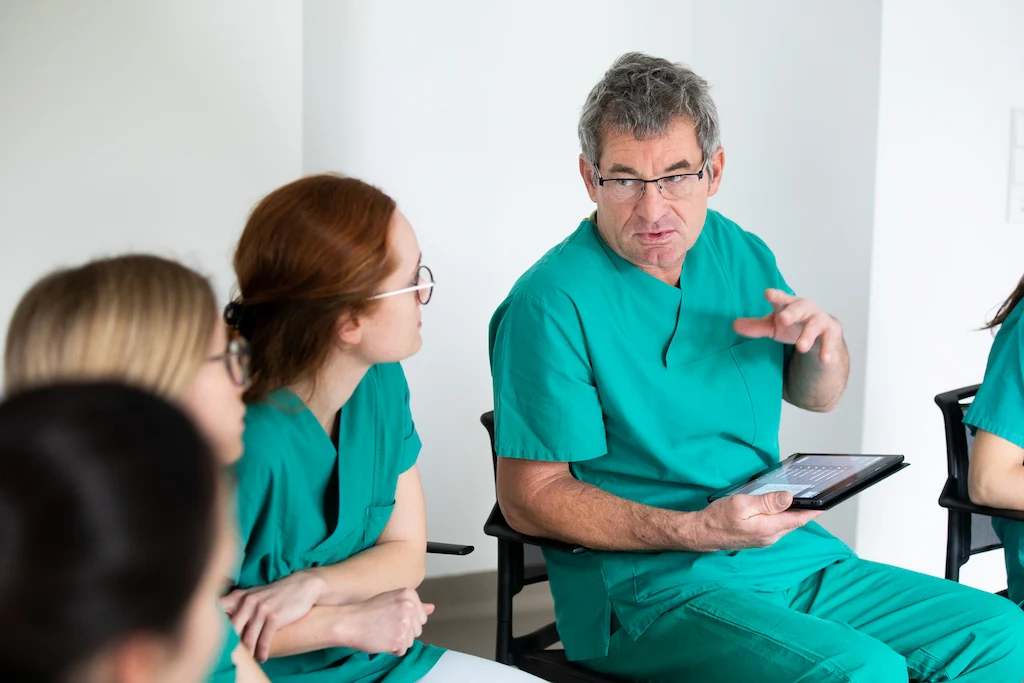
Confidence Under Pressure
Repeated exposure to realistic scenarios helps teams build confidence, refine decision-making, and perform reliably in critical situations.
A Complete Training Solution
SIMStation gives you the tools to train effectively in the environments that matter most. Fully mobile. Technically reliable. And always focused on what counts – improving performance when it matters most.
Frequently Asked Questions
Why is clinical simulation important?
Clinical simulation allows healthcare teams to practice realistic patient scenarios in a risk-free setting before facing them in real clinical situations. Specific scenarios based on identified clinical challenges or adverse events can also be recreated, enabling teams to refine workflows, improve decision-making, and strengthen patient safety without putting patients at risk.
Beyond individual and team development, regular simulation training supports continuous quality improvement by helping healthcare organizations validate clinical workflows, identify opportunities for improvement, and foster a culture of patient safety.
Who benefits from clinical simulation?
Clinical simulation benefits hospitals, teaching hospitals, simulation centers, and medical schools. It supports interdisciplinary care teams by creating realistic learning experiences that improve communication, coordination, and clinical decision-making.
Healthcare organizations can use simulation to onboard new staff, reinforce clinical protocols, and prepare teams for both routine and complex patient scenarios. This makes simulation a valuable tool for maintaining clinical competence across departments.
What clinical environments can simulation take place in?
Clinical simulation can take place in virtually any healthcare environment, including emergency departments, operating rooms, intensive care units, labor and delivery units, hospital wards, outpatient clinics, and dedicated simulation centers. It can also be conducted as in-situ simulation, allowing teams to train directly within their actual clinical environment.
By practicing procedures, communication, and coordination in the same setting where patient care takes place, in-situ simulation helps validate clinical workflows, identify latent safety threats, and improve team performance in everyday practice.
How can clinical simulation fit into daily hospital operations?
Clinical simulation can be integrated into daily hospital operations without requiring major changes to existing workflows. Mobile simulation systems can be quickly set up and removed, allowing training to take place wherever it is needed—from hospital wards and emergency departments to operating rooms and intensive care units.
This flexibility makes it easier to schedule simulation around clinical activities while minimizing disruption to patient care. As a result, healthcare organizations can provide regular, high-quality training and support continuous learning across departments.
Learn more about mobile simulation solutions and how they support flexible, in-situ training across clinical environments.
How does clinical simulation improve teamwork?
Clinical simulation gives teams from different clinical disciplines the opportunity to practice communication, leadership, and decision-making during realistic patient scenarios. Teams can identify workflow challenges, clarify responsibilities, and strengthen coordination in a structured, low-stakes training setting.
Structured video debriefing helps participants reflect on their performance, apply lessons learned, and continuously improve collaboration in future clinical situations.
How does clinical simulation improve patient safety?
Clinical simulation allows healthcare teams to practice clinical skills, emergency procedures, and communication before applying them in patient care. Teams can identify weaknesses in workflows, review clinical standards, and improve collaboration under realistic conditions.
By learning from simulation-based training rather than actual critical events, healthcare organizations can strengthen safety standards, reduce potential sources of error, and build greater confidence in patient care.
Learn more about how simulation software supports recording, video debriefing, assessment, and simulation management.
How are clinical simulation sessions reviewed?
Clinical simulation sessions are typically reviewed using synchronized video, audio, and patient monitor recordings that capture the complete scenario. Reviewing the session allows instructors and participants to objectively analyze clinical actions, communication, and decision-making.
Structured debriefing supports meaningful feedback, encourages reflective learning, and helps teams continuously improve both individual performance and overall clinical practice.
Related Success Stories

Explore how simulation training with a mobile SIMStation Pro can effectively support the transition from nursing education to the practical professional environment.